Table of contents
Experience a renewed sense of wellbeing by tapping into the body’s natural detoxification process. Lymphatic massage offers a gentle, targeted approach to reset the lymphatic system, which is intricately linked to immunity and overall health. Discover how this specialized technique can help optimize your body’s internal balance and unlock new levels of vitality as you explore the insights below.
Understanding the lymphatic system
The lymphatic system forms a complex network of lymphatic vessels, lymph nodes, and lymph fluid that works in tandem to protect and cleanse the body. Unlike the circulatory system, which uses the heart to pump blood, the lymphatic system relies on muscle movement and specialized valves to transport lymph fluid throughout the body. This fluid collects cellular waste, pathogens, and toxins from tissues, channeling them through lymph nodes—small, bean-shaped structures that serve as filtration hubs. Inside these nodes, immune cells neutralize and eliminate harmful substances, playing a direct role in maintaining immune health and effective body detox.
Notably, the lymphatic system acts as a crucial line of defense, supporting immune health by identifying and responding to infections or foreign invaders. Lymphatic drainage, a specialized technique to stimulate lymph flow, can further aid the removal of toxins and excess fluids, preventing tissue swelling and promoting a balanced internal environment. While the circulatory system primarily moves oxygen and nutrients, the lymphatic system centers its activity on waste management and immune surveillance, making its function vital for sustaining overall wellness and resilience against disease.
How lymphatic massage works
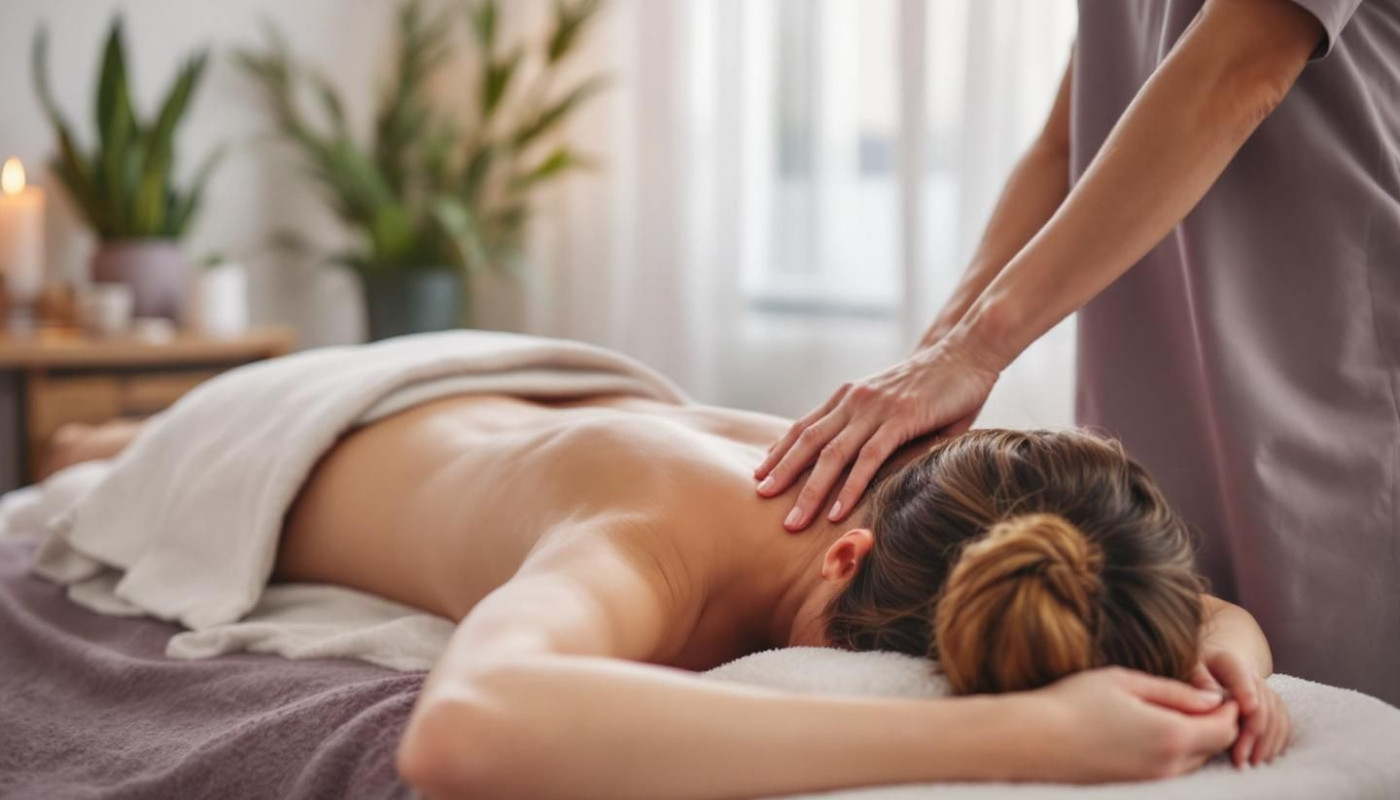
Lymphatic massage, also known as manual lymphatic drainage, is characterized by gentle, rhythmic movements designed to stimulate natural lymph circulation throughout the body. This specialized therapeutic massage targets the network of lymph vessels and nodes, encouraging the removal of waste products and toxins. Techniques involve light, precise hand motions applied in a particular direction to follow lymph flow, which helps reduce tissue swelling and enhances immune support. These movements are not only soothing but aid in improving the efficiency of the lymphatic system, resulting in better detoxification and increased resistance to infections. Manual lymphatic drainage is especially beneficial for individuals recovering from surgery, those experiencing lymphedema, or people seeking relief from chronic fatigue and inflammation.
Physiologically, this massage boosts lymph activity, making it easier for immune cells to mobilize and address pathogens or cellular debris. By facilitating lymph circulation, manual lymphatic drainage helps decrease fluid retention, support tissue regeneration, and improve overall health. People with compromised immunity, athletes, or those with sedentary lifestyles may notice significant improvements in well-being and energy levels. For those residing in or visiting Thailand, linking to a local practitioner like lymphatic massage in bangkok can offer specialized services provided by trained therapists, ensuring optimal results and tailored care. Always consult a certified medical massage therapist with expertise in lymphatic health to obtain the greatest benefit from this practice.
Benefits for optimal health
Lymphatic massage benefits extend far beyond relaxation, delivering a supportive effect on both preventative wellness and the management of specific health conditions. By stimulating lymph flow, this specialized therapy helps reduce swelling—particularly lymphedema or edema caused by injury, surgery, or underlying health concerns—through the direct reduction of lymphostasis, which refers to the stagnation or blockage of lymph circulation. Improved lymphatic drainage aids the body's natural detoxification processes, assisting in the removal of metabolic waste and toxins that can otherwise burden tissues and organs. As a result, individuals frequently report an energy boost, which is attributed to the revitalization of cellular function and the relief of fatigue associated with toxin accumulation.
For those seeking to enhance immune system function, lymphatic massage plays a facilitative role in transporting immune cells and antibodies throughout the body. This optimizes the body's ability to identify and respond to potential infections or inflammatory states, supporting both immune resilience and recovery from illness. Preventative applications are equally significant, as regular sessions help maintain fluid balance, prevent the occurrence of lymphostasis, and promote overall tissue health. Furthermore, research suggests that lymphatic massage may provide relief for people with chronic conditions such as fibromyalgia, chronic fatigue syndrome, or autoimmune disorders, making it a valuable addition to comprehensive health management strategies.
In summary, lymphatic massage benefits encompass reduced swelling, enhanced detoxification, improved energy, and increased immune system efficiency. Whether utilized as a preventive approach or as adjunctive support for specific conditions, this gentle yet impactful therapy offers a holistic pathway toward optimal health. Consultation with a specialist in integrative medicine ensures that lymphatic massage is tailored to individual needs, maximizing its positive effects on well-being and quality of life.
When to consider lymphatic massage
Recognizing lymphatic congestion is fundamental for those seeking wellness therapy, especially if symptoms like frequent infections, swollen lymph nodes, unexplained fatigue, or persistent fluid retention are present. When the body experiences lymphostasis—a condition in which lymph flow becomes stagnant—it can result in weakened immunity, reduced energy, and an increased risk of recurring illness. Adults noticing these signs may benefit from exploring lymphatic massage, which uses gentle, rhythmic movements to stimulate lymph flow, support detoxification, and provide fatigue relief. This targeted approach helps clear toxins and metabolic waste, potentially reducing the occurrence of frequent infections and improving overall vitality.
Determining the right frequency of lymphatic massage depends on individual needs and the severity of symptoms. For mild lymphatic congestion, sessions once every two to four weeks may promote balance, while those managing chronic issues might need weekly appointments until improvements are noted. People with medical conditions such as congestive heart failure, kidney disease, or active infections should seek advice from a healthcare provider or a board-certified lymphologist before beginning treatment. Careful assessment ensures that lymphatic massage is integrated safely and effectively into a personalized wellness therapy plan, maximizing both comfort and outcomes.
Practical tips and precautions
Preparation is a key element for experiencing the full benefits of lymphatic massage. For optimal results, it is highly recommended to focus on hydration—drink plenty of water both before and after your session to support the lymphatic system’s natural detoxifying mechanisms. Arriving in comfortable, loose-fitting clothing aids therapy preparation and allows unobstructed access to lymphatic pathways. During the massage, expect gentle, rhythmic strokes rather than deep tissue pressure; this specialized technique targets lymph flow and helps reduce edema, swelling, and discomfort. Professional lymphatic massage tips include avoiding caffeine and heavy meals beforehand, as these can hinder relaxation and the body’s ability to respond.
Effective post-massage care is just as vital as preparation. After your session, continue to hydrate amply, as this assists the body in flushing out toxins mobilized during treatment. Light movement, such as walking or gentle stretching, can further promote lymphatic flow and support ongoing drainage. It is advisable to schedule sufficient time to rest afterward, as the body may experience mild fatigue or increased urination, both normal responses following lymphatic therapy. If any areas become tender or discomfort persists, applying a cool compress is often recommended as part of post-massage care.
Massage safety must always be prioritized. Individuals experiencing acute infections, congestive heart failure, active blood clots, or uncontrolled hypertension should avoid lymphatic massage therapy, as these conditions may be exacerbated by increased circulation. Pregnant individuals or those with unresolved medical issues should consult their healthcare provider before booking a session. Always inform your physiotherapist of any recent surgeries, chronic illnesses, or current medications to tailor the approach safely. These precautions, combined with clear communication and adherence to professional recommendations, ensure that lymphatic massage therapy remains a valuable and effective tool for promoting systemic health and managing edema.
Similar articles

Exploring The Journey Of A Seasoned Hill Repair Expert
PRP Hair Treatment in London: What Results Can You Really Expect ?

Combining Traditional And Modern Approaches In Age-Specific Therapy

Exploring The Effectiveness Of EMDR In Treating Various Emotional Disorders
